

The warm up slot gets talked about like a waiting room. You play while people check their coats, the headliner gets the crowd, and you go home. That is the wrong way to see it. The opening set is the one the whole night stands on, and promoters remember who plays it well.
What the job actually is
Your job is not to show what you can do. Your job is to get the room ready for someone else. That means three things: make the space feel alive when it is still half empty, let the energy climb slowly, and hand over a crowd that wants more instead of one that already peaked.
A warm up that goes too hard too early leaves the next DJ nowhere to go. If you play the big records at eleven, the headliner has to either go even bigger or bring the room down. Neither is a good night. The best compliment an opener can get is that nobody noticed the moment the night got busy, because it happened so smoothly.

Read the door, not the booth
In the first hour the dance floor tells you very little. Watch the door and the bar instead. Who is coming in? Are they arriving in groups ready to dance, or coming for a drink after work? Are they standing near the speakers or talking by the walls?
Play for the people who are there, not the people you expect later. Records with groove and space work well early: warm, steady, not too busy. Leave room in the mix for conversation. When you see heads start to nod at the bar, you can nudge things forward. When a few people step onto the floor, reward them, but do not rush.
Keep the volume sensible too. An empty room at full volume feels emptier. Let the sound grow with the crowd.
Build, do not jump
Think of your set as a ramp, not a staircase. Small moves in tempo and intensity over the whole set add up to a real change by the end, without any single moment where the room feels a gear shift.
A few habits help:
Know the headliner's sound. Listen to a recent set of theirs before the night. You want to end somewhere near where they start, not somewhere they have to climb down from or climb up to.
Hold back your best records. If a track is the kind of thing the headliner might play, leave it in the bag. Playing their record before they arrive is the fastest way to not be asked back.
Stay in one lane. An opening set that jumps between styles every few tracks feels restless. Pick a mood and let it deepen.
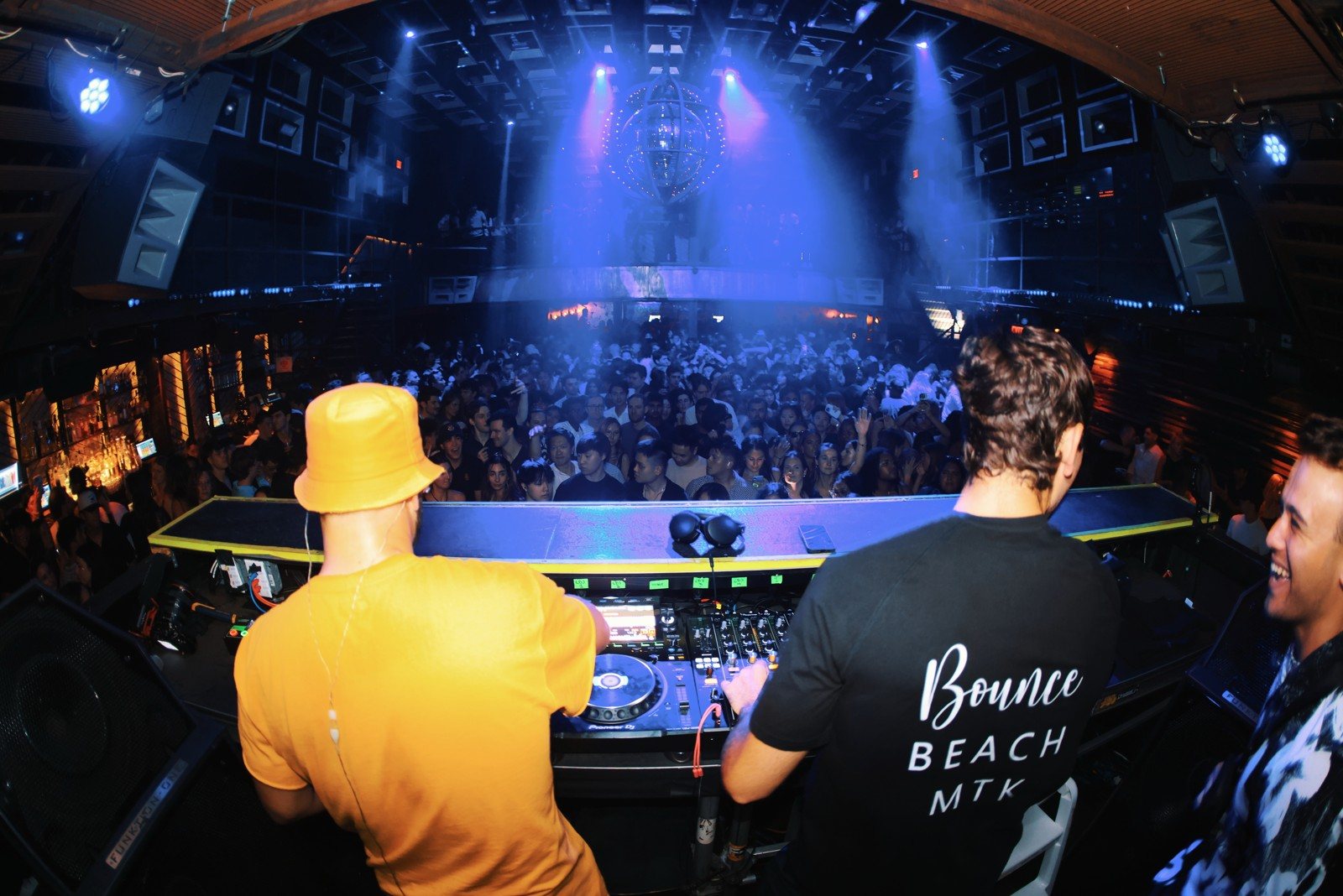
The handover
The last ten minutes matter as much as the first. Talk to the next DJ before they go on. Ask how they want to start: do they want you to leave a certain tempo, a certain key, a breakdown to come in on? Some like to mix out of your last record, some prefer a clean stop. Ask, then do what they want.
Leave the booth tidy. Put the mixer back to neutral if they ask, clear your drives and cables, and step aside quickly. Stay nearby for the first few minutes in case something needs sorting.
Then go and enjoy the room you built. Thank the promoter before you leave. They saw how the night started, and that is often what gets you the next date, or the step up to a later slot.
Treat it like a calling card
A good warm up is proof that you understand a night, not just a playlist. When you pitch for your next booking, say which rooms you have opened and for whom. That tells a promoter you can be trusted with the hours that make or break the bar.
Put your opening sets, your mixes and your dates in one place so a promoter can see all of it fast. Build your free press kit at my-epk.com.